
1. How Much Energy Do I need to produce during daytime (solar production cycle)?
- Consider battery recharge consumption, daytime running loads such as dishwashers, tumble dryers, washing machines, geysers, borehole and swimming pool pumps and air conditioning units. Craighall Electrical has a few jobs where the Inverter is big enough to power up underfloor heating from Solar during the day, heating up the slab which reflects heat back during the night.
- Book a power logging session with Craighall Electrical for either one or multiple circuits in order to determine consumption.
- Allow for 30% overdesign to allow for cloudy conditions or simultaneous usage
2. How much energy do I consume during night time ( outside solar production cycles)
- Evaluate the wattage and usage frequency of all major appliances. Consider items like air conditioners, microwave, washing machines, and ovens. Understanding your consumption patterns will help size your solar system accurately.
- Factor in seasonal variations and any plans for future additions to your electrical load.
- Electricians use power loggers to monitor/record consumption, speak to Craighall Electrical and book a power logging session
2. What is the Average Duration of Load Shedding in My Area?
- Investigate historical data or consult with local authorities to get a clear picture of how often and for how long power outages occur. This knowledge will dictate the size and capacity of your battery storage system.
- Note that your local electricity supplier might shorten or extend publicly advertised Eskom load shedding schedules
3. Do I Want Backup or Off-Grid Capability?
- If opting for a backup system, prioritize essential loads like refrigeration, lighting, security and communication devices. Identify critical appliances that must remain operational during power cuts. Book up a power logging session with Craighall Electrical to peg down an average, total and peak demand consumption.
- For an off-grid setup, perform a detailed energy audit to size your solar array and battery bank accurately. This will ensure self-sufficiency during extended periods without grid power.
4. What Size Solar System Fits My Needs?
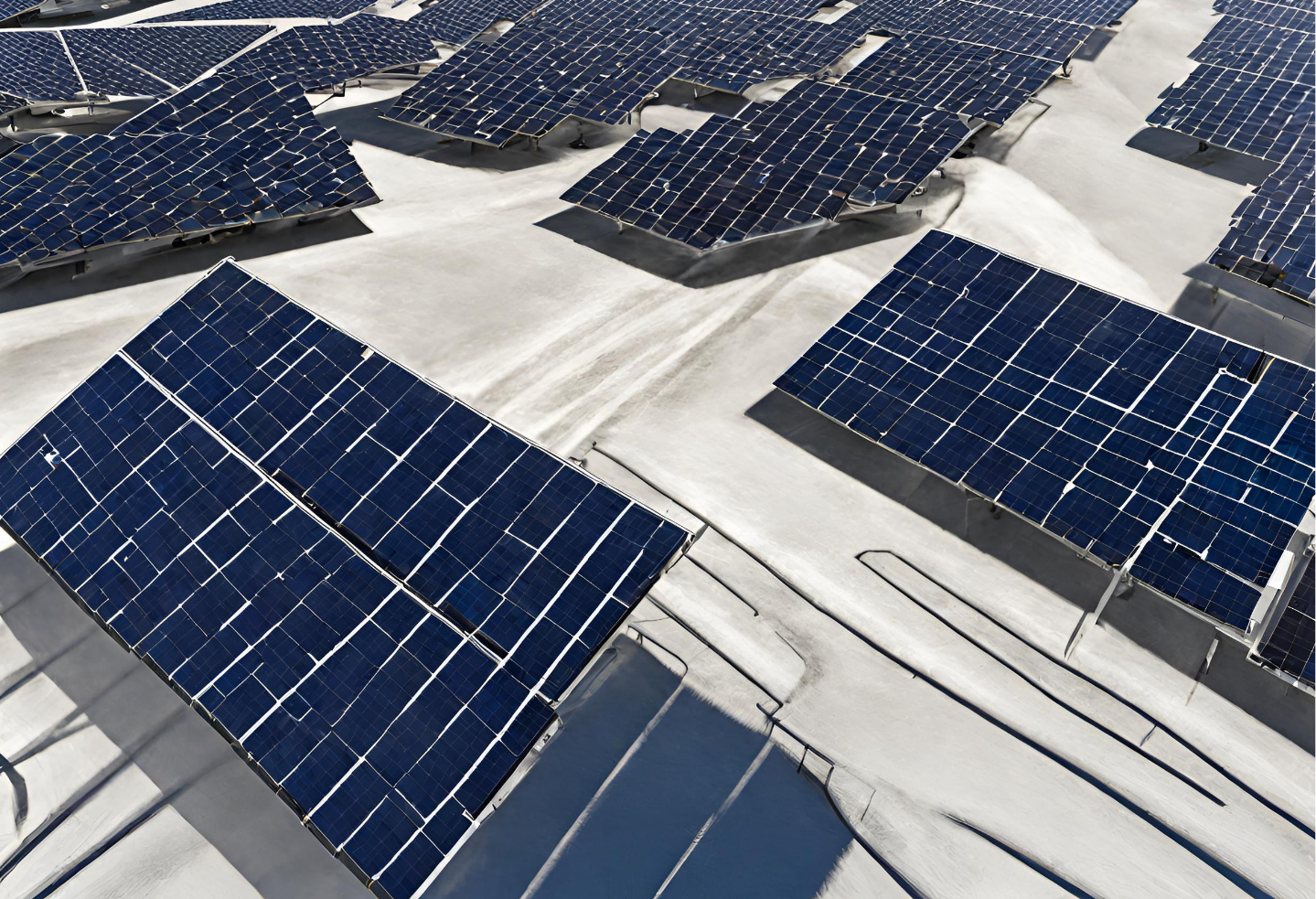
- Calculate the total energy consumption of your household on a daily basis. A well-sized solar array typically covers 70-99% of your energy needs. This allows for both energy self-sufficiency and potential grid independence.
- Factor in any plans for future energy upgrades or additional appliances such as Electric vehicle charge stations to avoid the need for system replacement or upgrade expansion down the line.
- Note that most hybrid solar inverter chargers only accommodate a pre-determined number of panels. The bigger the wattage size of PV panels becomes, the lesser the number of PV panels
5. How Many Batteries Do I Need for Backup?
- Determine the required battery capacity based on the wattage and duration of the appliances you intend to run during an outage.
- If the correct separation of heavy loads( day time) and essential night time loads has taken place at the distribution board , the batteries only need to run back up to limited loads enhancing the battery life duration. The correctly sized battery bank should be able to run your installation between end of solar production time in late afternoon, until the next morning when a new solar production day starts.
6. What Type of Batteries Should I Consider?
- Lead-acid batteries are cost-effective but may have a shorter lifespan compared to lithium-ion counterparts. Lithium-ion batteries offer higher efficiency and longer cycle life, making them a preferred choice for long-term investments.
- Use self managed battery units (BMS) of the latest generation such as Li Ion, or Li Ion Fe Po4.
- Explore advanced technologies like flow batteries or saltwater batteries for specific applications and unique advantages in certain environments.
7. Is My Roof Orientation and Shading Suitable?
- Ideally, your roof should face north to maximize sun exposure. However, east and west orientations can be very effective for households or businesses that utilize power during morning or afternoon only. In accordance with the solar charge controller versus number of panel strings, shading will reduce production on the particular string or bring the whole array production down.
- Consider tilt angles and seasonal adjustments for the solar panels to capture the most sunlight throughout the year.
8. Are There Government Incentives or Rebates Available?
- Investigate local, state, and federal incentives, such as tax credits, rebates, or feed-in tariffs for excess energy generation. These incentives can significantly offset the initial investment in your solar system.
- Explore renewable energy certificate (REC) programs that allow you to earn credits for the clean energy your system generates.
9. What Warranty and Maintenance Should I Expect?
- Inquire about warranties for solar panels, inverters, and batteries. Understand the coverage period and what types of issues are included. Regular maintenance, such as cleaning panels and checking connections, is vital for optimal performance.
- Establish a relationship with a reputable solar installer who can provide ongoing support and service.
10. How Will I Monitor and Manage My Solar System?
- Invest in a monitoring system that provides real-time data on energy production, consumption, and battery status. This empowers you to make informed decisions about energy usage and storage.
- Consider smart energy management platforms that allow remote monitoring and control through mobile apps or web interfaces for added convenience and efficiency.
By delving into these questions, you’ll be equipped with the knowledge and insights needed to make a well-informed decision about your home solar system. Each consideration plays a crucial role in ensuring a seamless transition to sustainable and reliable solar energy. Welcome to a greener, more self-reliant future!