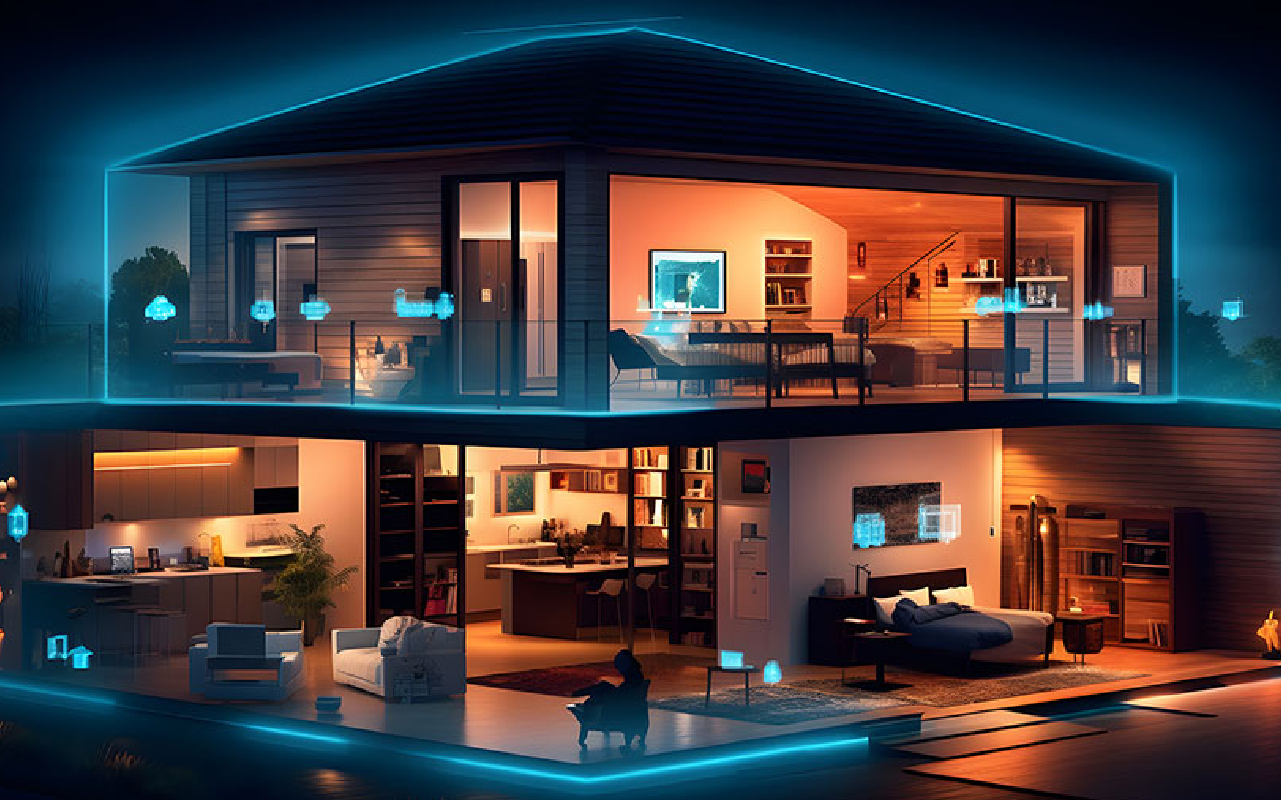
In an era where technology is advancing at an unprecedented pace, the concept of home automation has become increasingly popular. The ability to control and monitor various aspects of your home remotely has intrigued homeowners around the world. In this blog post, we’ll explore the pros and cons of home automation to help you make an informed decision about whether it’s the right choice for you.
Understanding Home Automation
Home automation, also known as smart home technology, involves the integration of devices and systems to create an interconnected and automated living space. These systems can include smart lighting, thermostats, security cameras, door locks, and more. The central idea is to enhance convenience, security, and energy efficiency by allowing users to control and automate their home devices through a central hub or mobile app.
The Pros of Home Automation
a. Convenience: One of the primary benefits of home automation is the convenience it offers. Imagine being able to control your home’s lighting, temperature, and security systems with a simple voice command or through a smartphone app.
b. Energy Efficiency: Smart home devices can contribute to a more energy-efficient household. Automated thermostats, for instance, can learn your preferences and adjust heating or cooling accordingly, leading to potential energy savings.
c. Enhanced Security: Home automation systems often include smart security features, such as surveillance cameras, smart door locks, and motion sensors. These elements can provide an added layer of security to your home.
d. Increased Home Value: As smart home technology becomes more prevalent, homes equipped with automation features tend to have higher resale values. Potential buyers are increasingly attracted to the convenience and energy-saving aspects of a smart home.
The Cons of Home Automation
a. Initial Cost: Implementing a home automation system can require a significant upfront investment. However, it’s crucial to weigh this cost against the potential long-term savings and benefits.
b. Technical Challenges: Some users may find the setup and integration of smart home devices to be challenging, especially if they are not tech-savvy. Compatibility issues and software updates can also pose hurdles.
c. Privacy Concerns: With the increasing connectivity of smart devices, privacy concerns have become more prevalent. Users should be cautious about the data collected by these systems and ensure they have control over their privacy settings.
Is Home Automation Right for You?
Deciding whether home automation is suitable for your lifestyle and needs depends on various factors. Consider the following questions:
a. How tech-savvy are you and your household members?
b. What specific goals do you hope to achieve with home automation? (Convenience, energy savings, security, etc.)
c. Are you willing to invest in the initial setup and potential ongoing costs?
d. How comfortable are you with the privacy implications of interconnected devices?
In conclusion, home automation can be a game-changer for many homeowners, offering convenience, energy savings, and enhanced security. However, it’s essential to weigh the benefits against the potential drawbacks and consider your own preferences and priorities. If you decide that the advantages align with your needs, taking the plunge into home automation could be a transformative step toward a more connected and efficient living space.